Expert Piping Design and Analysis for Industries
- Eduardo de Carvalho
- 5 days ago
- 4 min read

Updated: 3 days ago
Piping systems are the backbone of many industrial processes, playing a crucial role in the transportation of fluids and gases. Whether in oil and gas, chemical manufacturing, or water treatment, effective piping design and analysis can significantly impact operational efficiency, safety, and cost-effectiveness. In this blog post, we will explore the essential aspects of piping design and analysis, highlighting best practices, common challenges, and innovative solutions that can enhance industrial operations.
Understanding Piping Design
Piping design involves the planning and creation of piping systems that meet specific operational requirements. This process encompasses several critical elements:
Key Components of Piping Design
Material Selection
Choosing the right materials is vital for ensuring the durability and reliability of piping systems. Factors to consider include:
Fluid Type: Corrosive fluids may require specialized materials.
Temperature and Pressure: High-temperature or high-pressure applications may necessitate stronger materials.
Cost: Balancing performance and budget is essential.
Pipe Sizing
Proper sizing is crucial for maintaining flow rates and minimizing pressure loss. Engineers often use calculations based on:
Flow Rate: The volume of fluid that needs to be transported.
Velocity: The speed at which the fluid moves through the pipe.
Friction Loss: Resistance encountered due to the pipe's internal surface.
Layout and Routing
The physical arrangement of pipes affects both functionality and maintenance. Considerations include:
Space Constraints: Limited space may require creative routing solutions.
Accessibility: Ensuring that pipes are accessible for maintenance and inspection.
Support Structures: Proper supports are necessary to prevent sagging and damage.
Design Standards and Codes
Adhering to industry standards and codes is essential for ensuring safety and compliance. Some widely recognized standards include:
ASME B31.3: Covers process piping.
ASME B31.1: Covers service piping.
API 570: Focuses on the inspection, repair, and alteration of piping systems.
ANSI/ISA 12.27.01: Addresses the requirements for piping in hazardous locations.
The Importance of Piping Analysis
Piping analysis is the process of evaluating the performance of piping systems under various conditions. This analysis helps identify potential issues and optimize system design.
Types of Piping Analysis
Stress Analysis
Stress analysis evaluates how pipes respond to internal and external forces. Key factors include:
Thermal Expansion: Changes in temperature can cause pipes to expand or contract.
Pressure Loads: High-pressure fluids exert significant forces on pipe walls.
Vibration: Equipment nearby can induce vibrations that affect pipe integrity.
Flow Analysis
Flow analysis assesses how fluids move through piping systems. Important considerations include:
Laminar vs. Turbulent Flow: Understanding flow regimes helps in predicting pressure drops.
Flow Distribution: Ensuring even distribution of fluids across multiple branches.
Dynamic Analysis
Dynamic analysis examines how piping systems behave under transient conditions, such as:
Water Hammer: Sudden changes in flow can create pressure surges.
Seismic Events: Evaluating how pipes respond to earthquakes or other ground movements.
Tools and Software for Piping Analysis
Modern piping analysis often relies on specialized software to simulate and evaluate system performance. Some popular tools include:
CAESAR II: A widely used software for pipe stress analysis.
ANSYS: Offers comprehensive simulation capabilities for fluid dynamics.
AutoPIPE: Provides tools for analyzing piping systems under various conditions.
Common Challenges in Piping Design and Analysis
Despite advancements in technology and methodology, several challenges persist in piping design and analysis:
Corrosion and Material Degradation
Corrosion can significantly impact the lifespan of piping systems. To mitigate this risk, consider:
Protective Coatings: Applying coatings to prevent corrosion.
Regular Inspections: Implementing a routine inspection schedule to identify early signs of degradation.
Pressure Drops and Flow Restrictions
Pressure drops can lead to inefficient operations. To address this issue:
Optimize Pipe Sizing: Ensure pipes are appropriately sized for the intended flow rates.
Minimize Bends and Fittings: Reducing the number of bends can decrease friction losses.
Regulatory Compliance
Navigating regulatory requirements can be complex. To stay compliant:
Stay Informed: Regularly review updates to industry standards and regulations.
Documentation: Maintain thorough records of design decisions and compliance measures.
Best Practices for Effective Piping Design and Analysis
Implementing best practices can enhance the effectiveness of piping design and analysis:
Collaborate with Stakeholders
Engaging with all stakeholders, including engineers, operators, and maintenance personnel, ensures that the design meets operational needs. Regular meetings can facilitate communication and address concerns early in the process.
Utilize Advanced Technologies
Incorporating advanced technologies can streamline the design and analysis process. Consider:
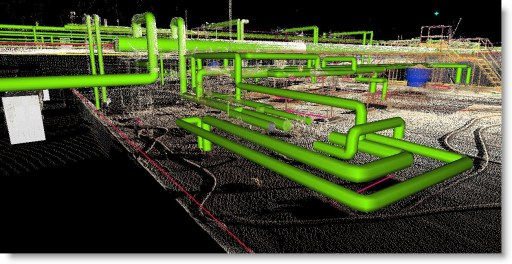
3D Modeling: Using 3D models to visualize piping systems can help identify potential issues before construction.
Simulation Tools: Employing simulation software to predict system behavior under various conditions.
Continuous Training and Development
Investing in training for engineers and technicians ensures that the team stays updated on the latest practices and technologies. Regular workshops and seminars can foster a culture of continuous improvement.
Future Trends in Piping Design and Analysis
As industries evolve, so do the practices surrounding piping design and analysis. Emerging trends include:
Smart Piping Systems
The integration of IoT (Internet of Things) technology into piping systems allows for real-time monitoring and data collection. This innovation can lead to:
Predictive Maintenance: Identifying potential issues before they escalate.
Enhanced Efficiency: Optimizing flow rates and reducing energy consumption.
Sustainable Practices
With a growing emphasis on sustainability, the industry is moving towards more environmentally friendly practices. This includes:
Recyclable Materials: Using materials that can be recycled at the end of their lifecycle.
Energy-Efficient Designs: Implementing designs that minimize energy consumption during operation.
Conclusion
Expert piping design and analysis are essential for the success of various industries. By understanding the key components, challenges, and best practices, organizations can enhance their piping systems' efficiency, safety, and reliability. As technology continues to advance, staying informed about emerging trends will be crucial for maintaining a competitive edge. Investing in effective piping solutions today will pave the way for a more efficient and sustainable industrial future.

Comments